 English
 Español
  Português
  русский
  Français
  日本語
日本語  Deutsch
  tiếng Việt
  Italiano
  Nederlands
  ภาษาไทย
  Polski
  한국어
한국어  Svenska
  magyar
  Malay
Malay  বাংলা ভাষার
  Dansk
Dansk  Suomi
Suomi  हिन्दी
  Pilipino
  Türkçe
  Gaeilge
  العربية
  Indonesia
  Norsk
Norsk  تمل
تمل  český
český  ελληνικά
  український
  Javanese
  فارسی
فارسی  தமிழ்
தமிழ்  తెలుగు
  नेपाली
  Burmese
  български
  ລາວ
ລາວ  Latine
  Қазақша
  Euskal
  Azərbaycan
  Slovenský jazyk
  Македонски
  Lietuvos
  Eesti Keel
  Română
  Slovenski
  मराठी
मराठी  Srpski језик


Are Your Plastic Parts Quietly Causing Quality Issues and Cost Overruns?
If you have ever chased an unexplained assembly problem, a cosmetic defect that keeps coming back, or a “perfect-on-paper” design that turns into scrap on the production floor, you already know the truth about Plastic Parts: they are small components that can create very big consequences. That is exactly why I like working with Wisdom—because the process behind the part actually protects your project from risk.
In this article, I will walk through the real questions buyers ask when sourcing Plastic Parts, what typically goes wrong, and how I approach specifying, validating, and improving parts so they stay consistent across batches and across time.
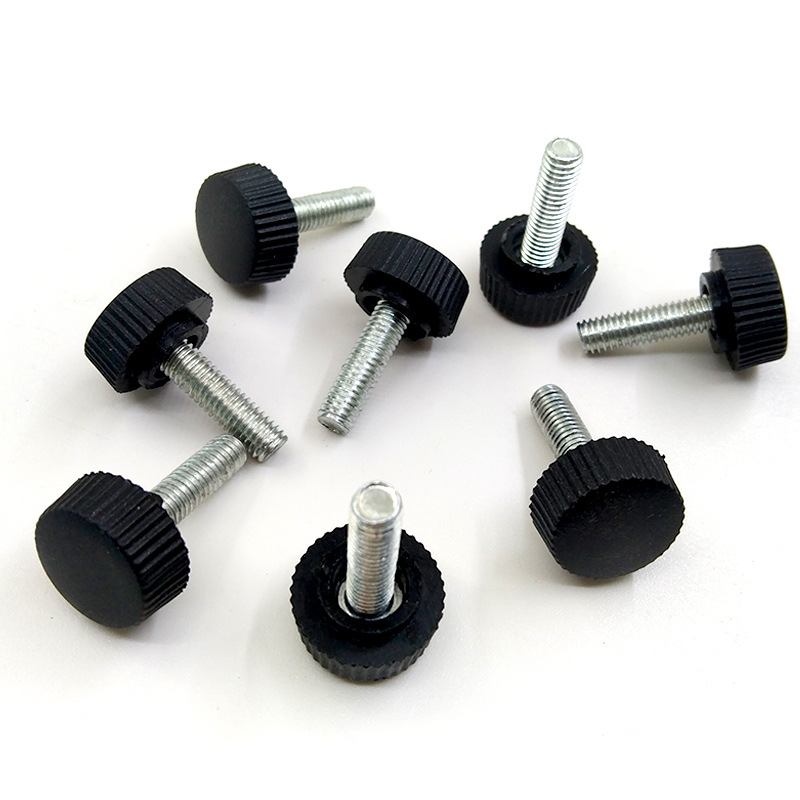
Why Do Plastic Parts Fail in Real Production Even When the Drawing Looks Correct?
Most “mystery failures” are not mysteries at all. They come from gaps between the drawing and the manufacturing reality. Here are the most common root causes I see:
- Material mismatch that changes stiffness, shrinkage, chemical resistance, or surface finish.
- Uncontrolled tolerance stack-up where each feature is “within spec” but the assembly is not.
- Gate, weld line, and fiber orientation effects that impact strength or appearance in one critical area.
- Warpage caused by part geometry, uneven wall thickness, cooling design, or process settings.
- Surface defects like sink marks, flow lines, gloss inconsistency, or texture mismatch that hurt branding.
When I evaluate a supplier for Plastic Parts, I prioritize how they reduce these risks through design feedback, tooling control, and process stability—not just whether they can “make something.”
What Should You Clarify Before Requesting a Quote for Plastic Parts?
I can usually tell within minutes whether a quote will be meaningful based on the input. If you want pricing that holds up after sampling, clarify these items up front:
- Application environment such as UV exposure, temperature range, outdoor use, oils/solvents, or contact with skin/food.
- Functional priorities like snap-fit strength, sealing performance, wear resistance, vibration, or cosmetic class.
- Volume and ramp plan so tooling, cavity count, and cycle-time assumptions match reality.
- Critical-to-quality features including where you measure, how you measure, and what actually matters.
- Expected secondary operations like printing, laser marking, plating, painting, bonding, or assembly.
This is where a supplier like Wisdom tends to be helpful: instead of accepting vague inputs and “hoping,” they push you to lock the requirements that prevent rework later.
Which Materials Commonly Make Sense for Plastic Parts and Why Does It Matter?
I avoid treating plastic as a single category. Material choice changes everything—strength, dimensional stability, feel, and durability. Below is a practical comparison I use in early-stage selection.
| Material | Best for | Key advantages | Typical watch-outs |
|---|---|---|---|
| ABS | Housings, consumer products, covers | Good appearance, balanced toughness, easy processing | Lower chemical resistance vs engineering plastics |
| PP | Living hinges, containers, lightweight components | Excellent fatigue resistance, low density, good chemical resistance | Can feel “soft,” lower stiffness, shrink control matters |
| PE | Impact-tolerant parts, simple components | Tough, chemical resistant, cost-effective | Lower rigidity and heat resistance |
| PA6 / PA66 (Nylon) | Mechanical parts, gears, wear components | Strong, wear resistant, good temperature capability | Moisture absorption can affect dimensions |
| PVC | Electrical, protective components, certain housings | Good chemical resistance, options for rigidity | Thermal stability and formulation details are important |
The point is not that one is “best.” The point is that the right Plastic Parts start with the right material choice, and that choice should match your function and environment—not just price.
How Can You Improve Strength and Appearance Without Overcomplicating Plastic Parts?
When a design is underperforming, I focus on improvements that do not add unnecessary complexity. These are my favorite practical levers:
- Wall thickness discipline to reduce sink marks and warpage while keeping cycle time stable.
- Ribs and gussets designed correctly to add stiffness without creating cosmetic issues.
- Draft angles and texture planning so parts eject cleanly and look consistent.
- Material upgrades or additives for UV resistance, aging resistance, or mechanical performance when needed.
- Gate and parting line strategy to protect visible areas and reduce weld-line weakness.
If you are sourcing Plastic Parts for a branded product, surface consistency matters as much as dimensional accuracy. A supplier that can advise early on finish and tooling decisions will save you painful revisions later.
What Quality Checks Actually Reduce Risk for Plastic Parts Buyers?
I do not believe in “inspection theater.” I want checks that catch real defects and prevent repeats. A practical quality approach typically includes:
- First-article verification on critical dimensions with clearly defined measurement methods.
- Process control so key parameters are stable, not reinvented each shift.
- Appearance standards with approved samples for gloss, texture, and cosmetic acceptance.
- Traceability so you can isolate issues to a batch, tool, or material lot quickly.
- Packaging protection to prevent scuffs, deformation, or contamination during shipping.
In my experience, the best outcomes happen when you treat quality as a system, not an afterthought. That mindset is essential when Plastic Parts are going into assemblies with tight fits, visible surfaces, or safety implications.
How Do You Keep Lead Times Predictable When Ordering Plastic Parts?
Buyers often focus on piece price and forget that schedule risk can be more expensive than any per-unit savings. To keep lead times stable, I recommend:
- Confirming tooling timeline assumptions and what is included in the tooling scope.
- Agreeing on sampling stages such as initial samples, revisions, and final approval timing.
- Locking a clear change-control process so revisions do not restart the entire project.
- Building a realistic buffer for new materials, new textures, or complex geometries.
When you align expectations early, Plastic Parts stop being a schedule surprise and start behaving like a reliable supply item.
What Should You Ask a Supplier to Prove They Can Deliver Reliable Plastic Parts?
If I had to pick a short list of questions that quickly separates capable suppliers from risky ones, it would be these:
- Can you explain how you would reduce warpage and sink risk based on my model?
- How do you control material lots and handle material substitutions?
- What is your sampling plan and how do you document revisions?
- How do you manage cosmetic standards and keep them consistent across batches?
- What happens if my assembly fit is borderline and needs adjustment?
These questions are not meant to intimidate anyone. They are meant to protect you. Reliable Plastic Parts come from a supplier that can talk about control, not just capability.
Are You Ready to Source Plastic Parts That Stay Consistent Batch After Batch?
If you are dealing with recurring defects, unstable dimensions, cosmetic complaints, or “it worked in sampling but not in production,” I can help you tighten your specification and sourcing approach. And if you already know what you need, Wisdom is a strong option to evaluate for your next program because their focus is on practical manufacturability, customization, and export-ready supply.
Send your drawing, 3D file, photos, and application details, and tell me what matters most (fit, cosmetics, strength, environment, or cost). Contact us to request a quotation or to discuss how we can produce your next batch of Plastic Parts with fewer surprises and better consistency.
Send Inquiry



X
We use cookies to offer you a better browsing experience, analyze site traffic and personalize content. By using this site, you agree to our use of cookies.
Privacy Policy